

Note to Readers on the Next Phase of this Substack
Draft book chapters are here ...
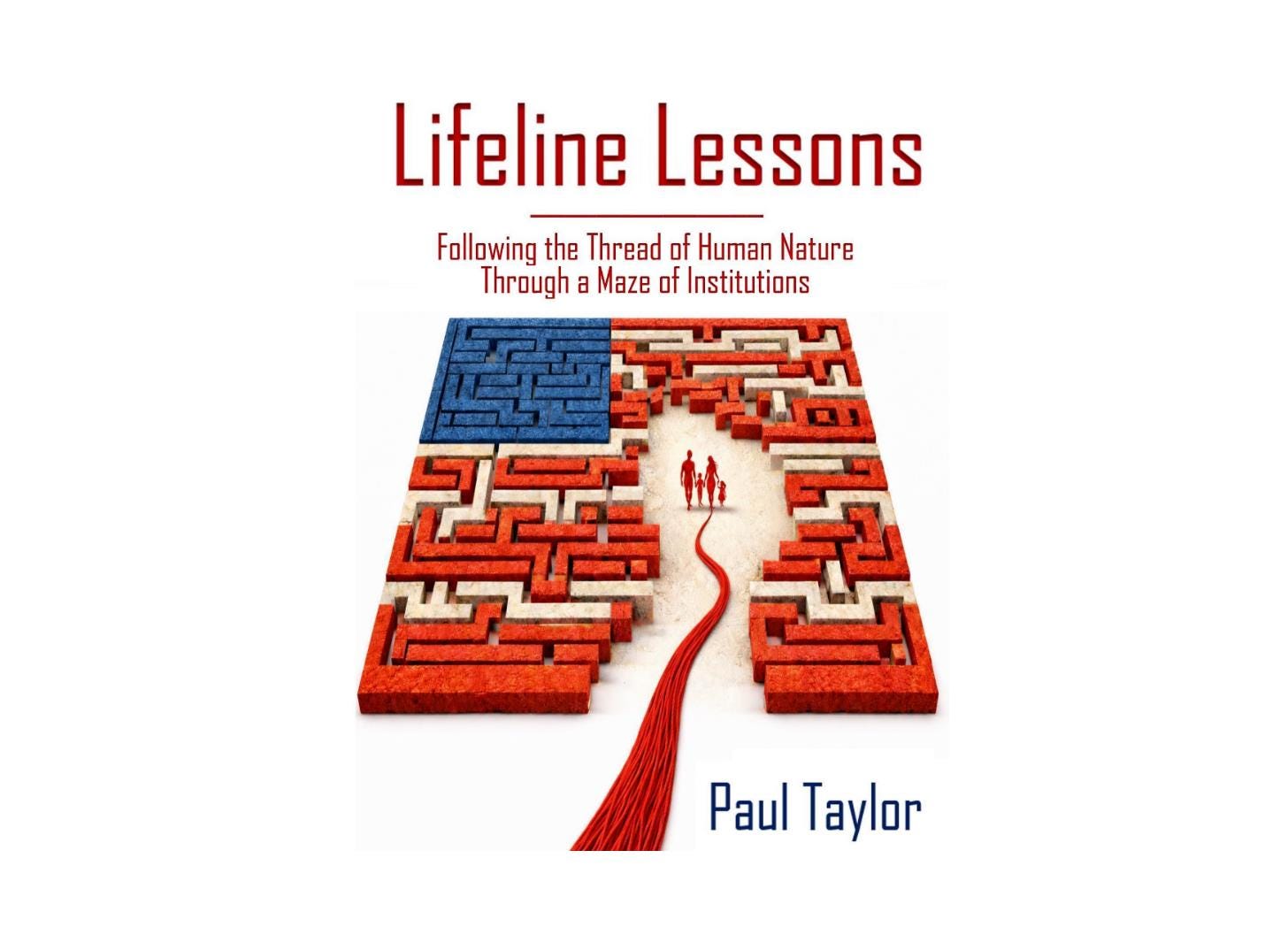
Hello all! So, having posted over 400 entries on a large variety of topics over the last four and a half years, my plan now is to organize all those subjects into a book. The book, tentatively titled “Lifeline Lessons: Following the Thread of Human Nature Through a Maze of Institutions,” will be a systematic march through just about all the ideas and concepts explored in previous entries, including new information I’ve come across since the original posts, packaged into a more concise narrative (one topic per chapter — no more “Part 5” or “Part 14”). The book will tell the story of, first, what we know about human nature, including what sorts of things best encourage human flourishing, and, second, the extent to which our institutions today – from school boards to Congress – tend to further or stifle human flourishing.
Going forward, the Substack is being rebranded “Lifeline Lessons,” with a new logo. A draft of a chapter from the book will be posted each week, and the tentative plan is for around 50 chapters. The first few chapters are free, so people can see whether they like where it’s going. But starting with Chapter 4, the chapters will only be available to paid subscribers.
So if you’re already a paid subscriber, many thanks as always, and you’ll be getting the chapters of the book in draft form as it rolls out. If you’re not a paid subscriber, I hope you’ll become one so we can take this new journey together. And of course, paid subscribers will be able to post comments on each chapter, including critiques and advice.
Here’s a little more detail regarding the outline of the book. The first part of the book will examine the evolution of our psychology, how that psychology interacts with modern media, what we know about how free markets work, and how alternative systems work, which systems improve people’s wellbeing the most, and why. It will also examine how the way we frame our view of the world influences whether the script we write for our lives is happy, or not. And it will compare how well what we know about the wonders of the universe and how it works is transmitted through our systems of K-12 and higher education, and through our scientific institutions.
The second part of the book will explore our system of government, from its constitutional “separation of powers” foundation to the cracks we see in that foundation today – in our courts, our Congress, and the executive branch. And it will examine how those cracks may be creating breaks in the lines of political accountability that are supposed to connect citizens to their government. It will examine the incentive structures created by government policies, the extent to which they encourage or deter the best aspects of human nature — and the extent to which those policies themselves are a product of the best or worst aspects of human nature working through bureaucratic structures.
Paul, I can't wait. Congratulations! Ralph